Publication Summary
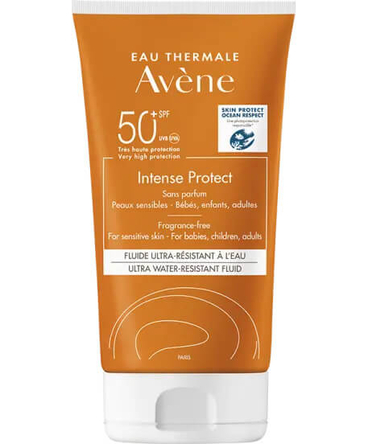
Broad-spectrum sunscreens containing the TriAsorB™ filter: In vitro photoprotection and clinical evaluation of blue light-induced skin pigmentation
Broad-spectrum photoprotectors containing TriAsorB: evaluation of in vitro photoprotection and clinical assessment of blue light-induced pigmentation HEV
Abstract
Blue light (BL), particularly high-energy visible light (HEV) (400-450 nm), can have an impact on the skin (aging, pigmentation, etc.). Consequently, effective sunscreens must be able to offer photoprotection beyond ultraviolet (UV) rays, in order to prevent or limit the cutaneous effects induced by this type of radiation.
The aim of this work was to evaluate the photostability and in vitro photoprotection properties of nine sunscreens containing the broad-spectrum UV/BL filter phenylene bis-diphenyltriazine (TriAsorB™), as well as three other organic UV filters, and to assess the level of in vivo photoprotection provided by two of these products against HEV blue light-induced skin pigmentation.
The photostability and photoprotection factors of BL in vitro, comprising the percentage of BL radiation stopped by the product (%BL) and the critical wavelength extended to BL (BL-CW), were determined spectrophotometrically.
The in vivo photoprotection provided by two representative sunscreens (i.e. similar formulations, one untinted and one tinted) was assessed in two randomized open-label studies (20 and 16 women, respectively) after exposure of two test areas (with and without sunscreen) on the back of each subject to an irradiation dose of 412 nm at 50 J/cm2, using instrumental and clinical measurements of skin pigmentation. The percentage photoprotective efficacy of sunscreen (% PPE) was calculated by comparing within-subject post-exposure pigmentation changes between test areas with and without sunscreen.
In vitro, all nine TriAsorB containing products were highly photostable, exhibiting BL-CW ≥385 nm and %BL ≥30% (range: 30%-50%), enabling effective BL photoprotection. In vivo, the two representative sunscreens prevented immediate BL-induced skin pigmentation (1 and 24 h after exposure) with %EPI values ranging from 50.7% to 75.5% for colorimetric assessments (p < 0.001) and from 31.2% to 72.7% for visual scores (p ≤ 0.001).
All sunscreens containing TriAsorB were considered effective in absorbing BL radiation in vitro. The two representative broad-spectrum sunscreens tested in subjects significantly reduced immediate BL-induced skin pigmentation after a single exposure to monochromatic BL radiation.
Want to read on?
This access is reserved for professionals, registered on Pierre Fabre For Med.
To access the full content, please register or log in if you already have an account.